
The short version
- Get an offer fast. Share your address and a few details; a fair cash offer typically follows within a day.
- Sell as-is. No repairs, cleaning, staging, or showings. You leave what you do not want.
- Pick your closing date. Cash sales can close in about a week because there is no lender underwriting.
- Pay no agent commission. A direct cash sale has no listing-side fees, though you should still compare it against listing for top dollar.
Homeowners in Temecula, Murrieta, and Menifee reach out for the same handful of reasons: an inherited property they do not want to manage, a job relocation with a hard deadline, a house that needs more repairs than they can take on, or a foreclosure timeline closing in. In each case the open market is slow, and a cash sale trades a bit of top-line price for speed and certainty.
What "as-is" actually means
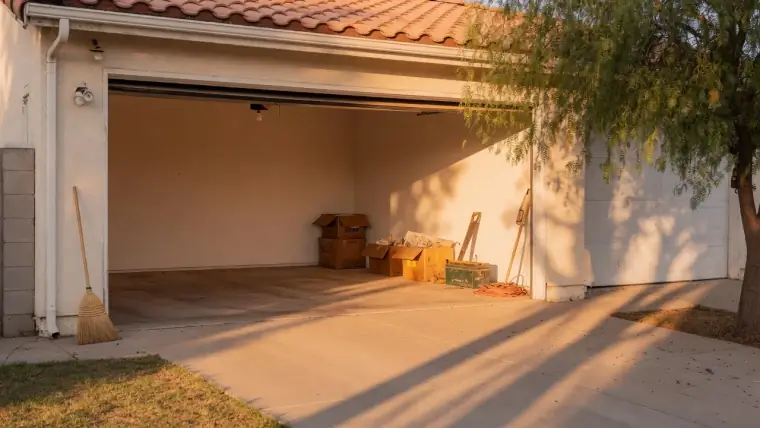
Selling as-is means the buyer purchases the property in its current condition and takes on any needed repairs. You are still legally required to disclose known material defects under California law, and selling as-is does not waive that duty: the Transfer Disclosure Statement required by Civil Code 1102 still has to be completed honestly. What as-is changes is that you are not expected to fix what you disclose. The offer already accounts for the home's condition.
How the cash-sale process works
The mechanics are simpler than a traditional sale because there is no mortgage lender in the middle. That removes appraisal contingencies, financing fall-through, and most of the waiting.
Why cash closes faster
A financed purchase waits on the buyer's lender to order an appraisal, underwrite the loan, and fund. According to the Consumer Financial Protection Bureau, that process commonly runs several weeks. A cash buyer skips all of it, which is why closing in about a week is realistic.
The typical steps
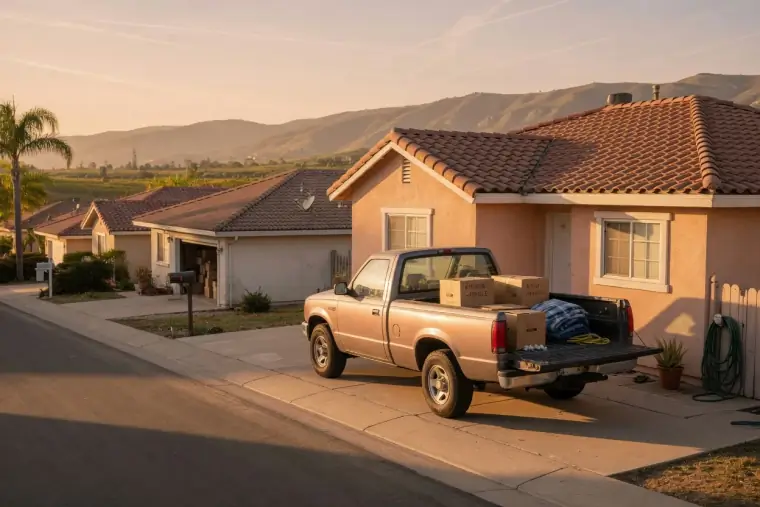
The three steps, start to finish
| Step | What happens | What it costs you |
|---|---|---|
| 1. Tell us about the property | Share the address, the general condition, and your ideal timeline. No cleaning or preparation first | Nothing, and no obligation |
| 2. Review your cash offer | An advisor reviews recent comparable sales in your Temecula neighborhood and the home's condition, then returns a fair, no-obligation cash offer. If listing would net you more, an honest advisor says so | Nothing, and no obligation |
| 3. Choose your closing date and get paid | The funds are not tied to a loan, so you pick the date, sometimes as little as a week out, and the sale closes through a licensed escrow and title company | No commission, no listing fees |
What your cash offer is actually based on
A cash offer is below top retail, and you are owed a straight explanation of why rather than a slogan. The number is built backwards from what the house is worth once it is repaired and resold. Start with that resale value, subtract what the repairs will genuinely cost, subtract the cost of holding the property while the work happens, subtract the costs of selling it again at the end, and what remains is the offer plus the buyer's margin. Nothing about that is hidden arithmetic, and any buyer who will not walk you through their version of it is telling you something.
This is why condition moves a cash offer far more than it moves a listing price, and why two houses on the same Temecula street can get very different numbers. It is also why the honest comparison is never offer against retail value. It is offer against what you would actually net after repairs, months of carrying costs, commission and closing costs on a listed sale, which is frequently much closer than the headline gap suggests.
What comes out between resale value and your offer
| Deduction | Why it is there |
|---|---|
| Repairs and cleanout | The work you are choosing not to do, priced at what a contractor charges rather than what a weekend costs you |
| Holding costs | Taxes, insurance, utilities and financing for the months the property is being worked on |
| Resale costs | Commission, closing costs and concessions when the house is sold again |
| Buyer's margin | The profit that makes the purchase worth doing, and the risk that the repair estimate is wrong |
Ask any buyer to show you their repair figure and their resale assumption. Those two numbers drive the offer, and a buyer who is confident in them will not mind being asked.
Cash offer vs. listing with an agent
Neither path is automatically better. Speed and certainty pull one way; maximizing sale price pulls the other. Here is how the two compare on the factors that usually decide it.
| Factor | Cash sale (as-is) | List with an agent |
|---|---|---|
| Typical timeline | About a week to close | Weeks on market, then 30 to 45 days to close |
| Repairs and cleaning | None | Often expected to compete |
| Showings | None | Multiple, plus open houses |
| Agent commission | None on a direct sale | Paid from proceeds |
| Sale price | Below top retail, traded for speed | Highest potential with the right buyer |
| Certainty | High, no financing to fall through | Depends on the buyer's loan |
The right answer depends entirely on your situation. If you have time and the house shows well, listing usually wins on price. If you need speed or the home needs work, a cash sale removes the risk. We run both numbers so you can decide with real figures, not a guess.
Run both numbers first
Before you commit to either path, ask for a side-by-side estimate: the net cash offer versus a realistic listing net after repairs, commission, and carrying costs. The gap is often smaller than sellers expect once those costs are counted.
The fees you avoid on a cash sale

What comes off the table
- Agent commission on a direct sale.
- Repair and prep costs since the home sells in its current condition.
- Carrying costs like extra mortgage payments, insurance, and utilities while a listing sits.
- Concessions a financed buyer might request after an inspection or low appraisal.
How to check that a cash buyer is real
Speed and certainty are the whole reason to take a cash offer, so a buyer who cannot actually perform costs you the one thing you came for. Three checks separate a real buyer from the rest, and all of them are reasonable to ask on a first call.
Three questions worth asking before you sign anything
| Ask for | What a real buyer says | What should worry you |
|---|---|---|
| Proof of funds | A current bank or account statement showing they can actually close | Vagueness, or a promise to send it later |
| Any upfront fee | There is none, and there should never be one to receive an offer | Application, valuation or processing fees before closing |
| Whether they will assign the contract | A straight yes or no, and who the end buyer would be | Evasion. A wholesaler can tie up your house under contract, shop it around, and leave you stalled if nobody takes the assignment |
Ask that the sale close through a licensed, independent escrow and title company, and read the contract's cancellation terms before signing. A buyer who is genuinely funded has no reason to resist any of this.
If a foreclosure date is driving this
Selling as-is for cash is often the fastest way out of a foreclosure timeline, but it is worth knowing the timeline itself before you decide. Whether you can still sell once foreclosure has started is the question to settle first, and the answer stays yes until the trustee's sale is complete. What happens after a missed payment covers the early stage and the options your loan type gives you, the foreclosure clock guide covers the deadlines and what the auction settles, and the hard money guide explains why borrowing to buy time usually costs more than it buys. If you would rather just see a number for your Temecula house, you can get a no-obligation cash offer and compare it against every other option.
What about taxes?
Selling for cash does not change how the sale is taxed. If the home was your primary residence, IRS Publication 523 explains the capital-gains exclusion of up to 250,000 dollars for single filers and 500,000 dollars for married couples filing jointly, subject to ownership and use tests. Inherited property generally receives a stepped-up basis, which often reduces or eliminates gain. Confirm your specifics with a tax professional.
Frequently asked questions
How much less than market value is a cash offer?
It depends far more on the condition of the house than on any standard percentage, which is why an honest answer is a method rather than a number. The offer works backwards from the resale value after repairs, minus the repair cost, the months of holding cost, the cost of selling it again, and the buyer's margin. A home needing little work sits much closer to retail than one needing a roof and a kitchen. The comparison that actually matters is not offer against retail, it is offer against what you would net after doing the repairs and paying commission on a listed sale.
Does selling as-is mean I do not have to disclose problems?
No, and this is the most common and most expensive misunderstanding about as-is. California still requires a Transfer Disclosure Statement under Civil Code 1102, and you still have to disclose known material facts about the property honestly. As-is means the buyer accepts the condition and takes on the repairs. It does not mean the condition can go unmentioned, and failing to disclose something you knew about can follow you after the sale closes.
How fast can I really close?
Because there is no lender, closing in about a week is common once you accept the offer and escrow opens. You can also choose a later date if you need more time to move.
Do I have to make any repairs?
No. A cash, as-is purchase means the buyer takes the home in its current condition. You can leave behind items you do not want and skip cleaning and staging.
What if I am behind on payments or facing foreclosure?
A fast cash sale is often a strong fit when a foreclosure timeline is approaching, because certainty and speed matter most. Share where things stand and an advisor can walk you through the options.
Is the offer really no-obligation?
Yes. Reviewing an offer costs nothing and commits you to nothing. If the numbers do not work for you, you walk away.
About selling a house for cash
Reliable background on the process and your rights comes from neutral authorities: the Consumer Financial Protection Bureau on closing and settlement, HUD on homeownership and foreclosure resources, and IRS Publication 523 on the home-sale capital-gains exclusion. For local title and ownership records, the Riverside County Assessor-County Clerk-Recorder is the authoritative source.
Run your own numbers
Want to pressure-test everything above with your own house? We built three free calculators for exactly that:
- Net proceeds calculator: what listing actually nets you after repairs, commission, and holding costs, next to a cash-sale range.
- Repair cost estimator: realistic local ranges for the roof, HVAC, kitchen, and everything else on the punch list.
- Timeline comparison: prep, days on market, and escrow versus a cash close, week by week.
Sources: Consumer Financial Protection Bureau (consumerfinance.gov); U.S. Department of Housing and Urban Development (hud.gov); IRS Publication 523, Selling Your Home (irs.gov); Riverside County Assessor-County Clerk-Recorder (asrclkrec.com); California Civil Code 1102 and 1102.3, Transfer Disclosure Statement (leginfo.legislature.ca.gov).