The short version
- No, you do not have to sell first. Nothing requires it. The constraint is money, not permission.
- Four routes cover the gap: an offer with a sale contingency, borrowing against your equity, selling first and renting, or a cash sale on a closing date you choose.
- They differ less in price than in certainty. A contingency costs nothing up front and can collapse. Borrowing cannot collapse and costs the most.
- If you hold the old house too long, the quiet casualty is the capital gains exclusion. The IRS wants 24 months of ownership and 24 months of living there inside the five years ending at your closing.
People ask this as a permission question. It is really a plumbing question. The down payment you need for the next house is currently sitting inside the walls of the house you already own, and every route below is a different way of getting it out in time.
| Route | Where the down payment comes from | What can go wrong | Times you move |
|---|---|---|---|
| Offer with a sale contingency | Your sale, once it closes | The seller takes a cleaner offer, or your buyer walks and the chain unwinds behind you | Once |
| Bridge loan or a line of credit on your equity | Borrowed against the house you still own | You carry two housing payments for as long as the old house takes to sell | Once |
| Sell first, then rent | Your sale, already banked | Nothing financial. You pay to move twice and live out of boxes in between | Twice |
| Cash sale on a date you pick | Your sale, on a date set before you start shopping | The offer comes in under full retail, which is the price of the certainty | Once |
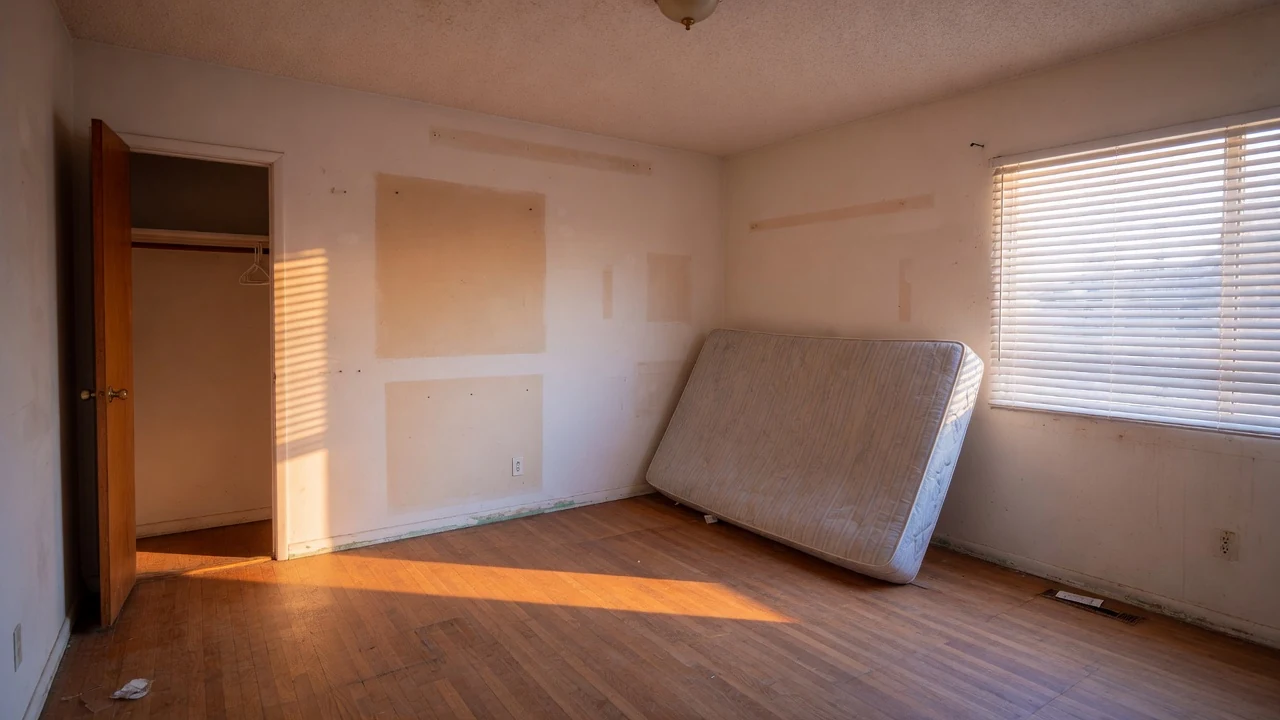
You are not buying money, you are buying certainty
Read the table again and notice what those four rows actually trade. The contingency costs nothing up front and buys the least certainty, because your entire purchase hangs on a buyer you have not met yet. Borrowing buys near total certainty and charges you interest plus two payments for it. Selling first buys certainty and cash, and charges you a second move and a lease.
The cash route sits somewhere odd. You give up part of the sale price, and in exchange you get to name the closing date before you ever write an offer on the next house. For most people trying to buy first, that date was the missing piece. An offer with a known closing date behind it reads to a seller very differently from one that depends on strangers, which is worth something in a market where the good listings get multiple offers.
Two payments is the risk people underestimate
Bridge financing looks clean on a spreadsheet because of an assumption baked quietly into it: that the old house sells quickly. If it does, the cost is a few months of interest and everyone is pleased with themselves. If it does not, the two payments keep arriving, and the pressure to accept a weaker offer builds every month, which is the exact outcome the borrowing was supposed to prevent. Before you take that route, work out what your plan is in month six, not month one.
The tax clock that starts when you keep the old house
If the plan is to buy first and rent the old place out for a while, put a date in your calendar. IRS Publication 523 lets a single filer exclude up to $250,000 of gain on a main home, and a married couple filing jointly up to $500,000, but only if you owned it for at least 24 months and lived in it as your main home for at least 24 months out of the five years ending on your closing date. Those 24 months of residence do not have to be one continuous block. They do have to fall inside that window. Rent it out long enough and the window closes behind you, and a slice of your own equity turns into taxable gain. For owners around Temecula, Murrieta, Irvine, or Carlsbad who have held a house a long time, that exclusion is often the largest single number in the entire transaction.

Frequently Asked Questions
Does buying before selling work differently in Southern California?
The four options are the same anywhere. What Southern California changes is the size of the numbers. With Riverside, Orange, and San Diego County prices, the equity locked in the house you own is usually the whole down payment on the next one, so carrying two payments or paying for a bridge loan costs more per month here, and the certainty of a closing date is worth correspondingly more.
The tax clock in IRS Publication 523 is federal and runs the same in all three counties. A cash sale in any of them closes on a date you choose, which is what lets it line up with the purchase.
Can I make an offer without a sale contingency before my house sells?
Yes, if you can show the funds. That is the whole difficulty. Without a contingency you are promising to close whether or not your house sells, so a lender or a bridge facility has to stand behind the promise. The alternative is to remove the uncertainty on your side first by setting a firm closing date on your current home, then shopping with that date in hand.
Does selling for cash mean I have to be out immediately?
No. The point of a cash sale in this situation is that the date is yours. We can make an offer within 24 hours and close in as little as 7 days when speed is what you need, but if what you need is a close that happens the week after your next escrow, that works too. Tell us the date and we build around it.
Is it better to sell first or buy first?
Financially, selling first is almost always safer, because you shop with a known number instead of an estimate. Buying first is better for your sanity and your back, since you move once. Most people are choosing between money and disruption, not between right and wrong. Our guide to what it costs to sell a house in Temecula gives you the number that makes the comparison real.
About buying before selling
- IRS Publication 523, Selling Your Home, the eligibility test, the exclusion amounts, and the partial exclusion rules
- Selling a house as-is for cash in Temecula, how the offer and the timeline actually work
- Get a no obligation cash offer with a closing date you choose, so you can shop for the next house with a real number